
If you’re considering addiction treatment for yourself, it’s normal to feel unsure about where to start. Terms like detox, residential treatment, PHP, and IOP get mentioned a lot, but the differences between them aren’t always clear. Many people hesitate simply because they don’t know what each level actually involves—or which one makes sense for their situation.
The four main levels of addiction treatment care include detox programs, residential inpatient treatment, partial hospitalization programs (PHP), and intensive outpatient programs (IOP).
However, what helps to know upfront is this: recovery isn’t about choosing the “right” label. It’s about getting enough support at the beginning and adjusting care as you stabilize. For many people, that means starting with detox and residential treatment
Key Takeaways
- Addiction treatment is typically structured into four levels: detox, residential treatment, PHP, and IOP.
- Detox focuses on medical safety during withdrawal and is often the first step when physical dependence is present.
- Residential treatment provides full-time structure and support, helping people stabilize early in recovery.
- PHP offers intensive daytime treatment while allowing individuals to return home in the evenings.
- IOP supports ongoing recovery with flexible scheduling once stability has been established.
- Many people benefit from starting with higher levels of care and stepping down as recovery progresses.
What Are the 4 Levels of Addiction Treatment Care?
The four main levels of addiction treatment care are detox programs, residential inpatient treatment, partial hospitalization programs (PHP), and intensive outpatient programs (IOP). Each level offers a different intensity of structure and support, with higher levels focusing on medical stability and safety, and lower levels supporting long-term recovery while returning to daily life.
Inpatient Detox Programs
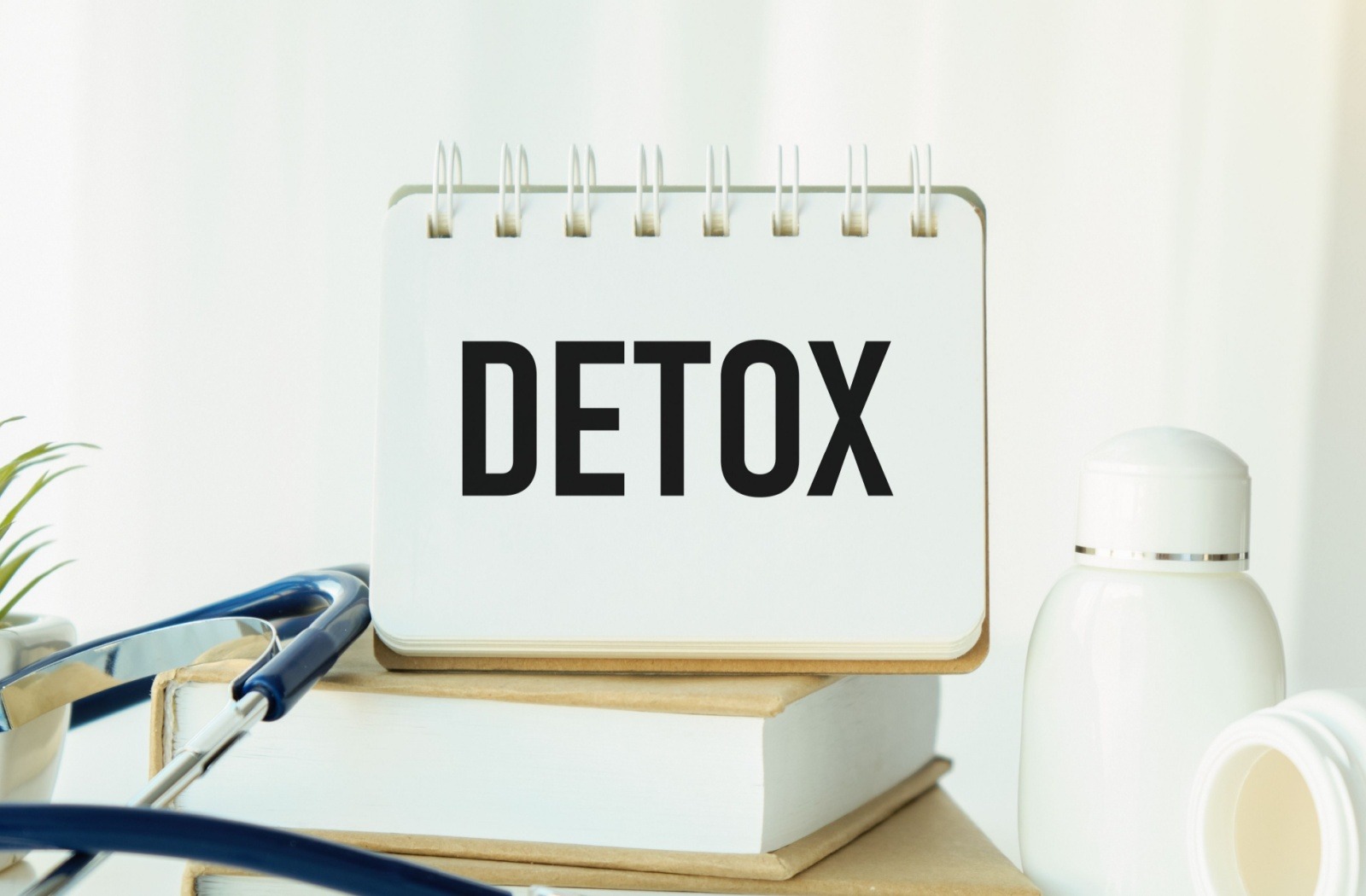
Inpatient detox is usually the first step when someone has developed physical dependence on alcohol or drugs. During detox, the body clears substances while medical professionals monitor withdrawal symptoms and overall health.
This level of care focuses on safety, not therapy. Medical supervision helps manage discomfort and reduces the risk of complications during withdrawal. Detox typically lasts several days, depending on the substance used and individual health factors.
Residential Inpatient Treatment
Residential treatment provides full-time care in a structured environment. You live at the treatment center and follow a daily schedule that includes therapy, education, and recovery-focused routines.
This level removes outside triggers and distractions, giving your body and mind space to stabilize. For many people, residential treatment is where meaningful recovery work begins, especially after detox or when previous lower levels of care haven’t been enough.
Partial Hospitalization Programs (PHP)
PHP offers intensive treatment during the day while allowing you to return home in the evenings. Most programs run several hours per day, multiple days per week, and include therapy, skill-building, and medical check-ins as needed.
This level is often used after residential treatment or when someone needs strong structure but no longer requires 24-hour supervision. PHP helps bridge the gap between inpatient care and more independent recovery.
Intensive Outpatient Programs (IOP)
IOP provides ongoing treatment while allowing you to maintain work, school, or family responsibilities. Sessions usually take place a few days per week and focus on therapy, relapse prevention, and accountability.
This level works best once stability has been established. IOP supports continued recovery while gradually reintegrating into everyday life, rather than serving as a starting point for most people.
Why Starting With Detox & Residential Treatment Helps
One of the most common misunderstandings about addiction care is believing that less intensive treatment is always better. In reality, early recovery is often when people need the most structure and supervision.
Detox helps address physical dependence safely, while residential treatment provides protection from triggers and constant access to support. Starting at a higher level can reduce relapse risk, build stronger coping skills, and create a more stable foundation before stepping down to outpatient care. That’s the key to lasting recovery—building up the small habits that give you the tools needed to preserve your sobriety.
Signs You Need Each Level of Addiction Recovery Care
Everyone’s recovery needs are different, but certain signs can help clarify which level of care may be appropriate at a given time.
Signs You May Need Detox
- You experience withdrawal symptoms when you stop using
- You’ve tried to quit on your own and couldn’t manage symptoms
- There’s concern about medical risks during withdrawal
- Substance use has become physically dependent
Signs Residential Treatment May Be the Right Fit
- You’ve had multiple relapses or unsuccessful treatment attempts
- Your home environment makes sobriety difficult
- Substance use has been long-term or severe
- You need constant structure and support in early recovery
Signs a PHP Program Could Be Appropriate
- You’ve completed detox or residential treatment
- You have stable housing and transportation
- You need daily structure but not overnight care
- Ongoing medical or therapeutic monitoring is still important
Signs IOP May Be Enough Support
- You’ve achieved some stability in recovery
- You have a strong personal support system
- Work, school, or family responsibilities are manageable
- Higher levels of care have already been completed successfully
Finding the Right Support at Rising Lotus Recovery
At Rising Lotus Recovery, we help people understand their options and choose a level of care that supports real, sustainable recovery. Our team focuses on clarity, safety, and individualized planning rather than one-size-fits-all solutions.
The journey that brought you here is unique, and we’re ready to help you build the tools needed to live the life you deserve. Reach out to our team today to learn more about how we can help!