

Recovery from addiction can feel overwhelming, especially when you’ve tried to quit before without success. The path forward might seem unclear, and you may wonder what approach can truly help you build a foundation for lasting sobriety.
Inpatient rehab supports long-term recovery by providing 24-hour medical supervision, intensive therapy, and a structured environment that removes you from triggers while teaching you the tools needed for sustained sobriety. Understanding how rehab works can help you make informed decisions about your treatment journey.
What Inpatient Rehab Means for Your Addiction Recovery
Inpatient rehab provides residential treatment where you live at a recovery center while receiving around-the-clock care and supervision. This comprehensive approach combines medical support with therapeutic interventions in a safe, controlled environment.
The structure of inpatient programs creates a foundation for healing that’s difficult to achieve while managing daily life stressors. You’ll participate in a carefully planned schedule that includes therapy sessions, medical care, and recovery-focused activities.
- Residential treatment programs with around-the-clock care
- Medically supervised detox process
- Structured daily schedule with therapy sessions
- Safe environment away from triggers and substances
How Inpatient Treatment Builds Your Foundation for Long-Term Sobriety
Residential programs create the groundwork for lasting recovery by addressing both the physical and psychological aspects of addiction. This comprehensive approach helps you develop coping strategies and life skills that extend far beyond your time in treatment.
Intensive Therapy & Counseling Sessions
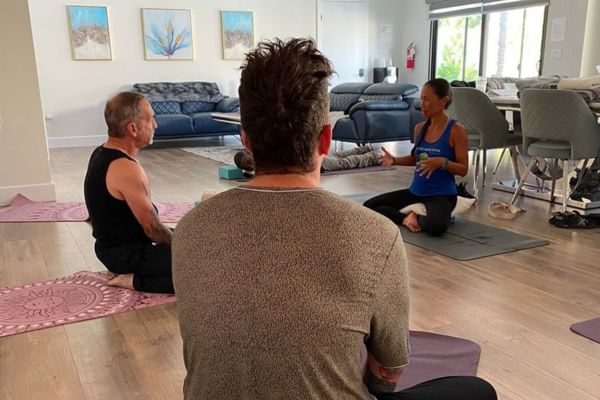
Your days in inpatient treatment include multiple therapy sessions designed to help you understand your relationship with substances and develop healthier patterns. Individual counseling allows you to work through personal challenges, while group sessions connect you with others facing similar struggles.
Family therapy sessions can help repair relationships damaged by addiction and create a stronger support network for your recovery journey. These therapeutic approaches address trauma and underlying issues that may have contributed to your substance use.
- Multiple hours of daily therapy
- Individual and group counseling
- Family therapy sessions
- Trauma-informed care approaches
Medical Care and Amino Acid Therapy
Inpatient programs provide medical supervision to help you safely navigate withdrawal and address any health complications from substance use. Your care team monitors your physical recovery and provides interventions when needed.
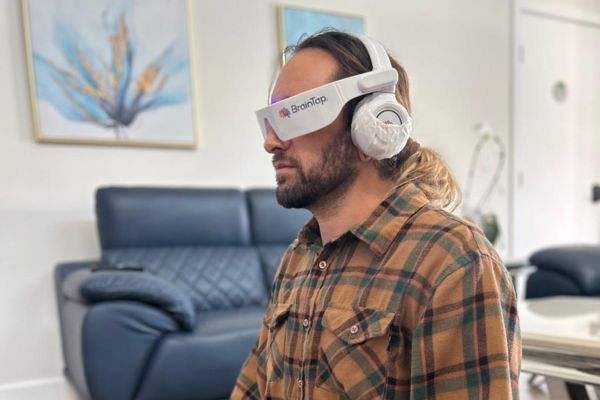
Amino acid therapy can help restore your brain’s natural chemistry, which may have been disrupted by prolonged substance use. This innovative approach supports your body’s healing process and can help reduce cravings during recovery.
- Managing withdrawal symptoms safely
- Nutritional support during recovery
- Amino acid therapy to restore brain chemistry
- Treatment for co-occurring mental health conditions
How Long You Can Expect to Stay in Inpatient Programs?
Treatment duration varies based on your individual needs, the severity of your addiction, and your progress in recovery. Your treatment team will work with you to determine the length of stay that gives you the strongest foundation for long-term success.
Short-Term Programs (30–60 Days)
Shorter programs focus on stabilization and introducing you to recovery tools and concepts. These programs can be effective for people with less severe addictions or strong support systems at home.
During this time, you’ll complete detox, begin therapy, and receive an assessment of your ongoing care needs. Your treatment team will help determine what additional support might benefit your recovery journey.
- Initial detox and stabilization
- Introduction to recovery tools
- Assessment for ongoing care needs
Long-Term Programs (90 Days to 2 Years)
Extended programs allow for deeper therapeutic work and more comprehensive skill development. Research shows that longer treatment durations often lead to better outcomes in maintaining sobriety.
These programs provide time for you to practice new coping skills in a supportive environment before returning to independent living. You’ll have more opportunities to work through complex issues and build confidence in your recovery.
- Extended therapeutic community living
- Advanced coping skills development
- Gradual reintegration planning
- Higher success rates for long-term sobriety
Why Inpatient Treatment Can Be More Effective Than Outpatient Care
Inpatient programs offer a level of support and structure that’s difficult to replicate in outpatient settings. The comprehensive approach addresses multiple aspects of addiction recovery simultaneously, creating a stronger foundation for lasting change.
Comprehensive Medical Monitoring
Having medical staff available on call means you can receive immediate care if complications arise during detox or treatment. This constant support can make the difference between a safe recovery and potentially dangerous situations.
Your medical team can also address any physical health issues that may have developed due to substance use. This holistic approach to your health supports both your immediate recovery and long-term wellness.
- 24/7 medical staff availability
- Safe management of withdrawal symptoms
- Treatment of physical health complications
- Medication management and monitoring
Structured Environment & Peer Support
Removing yourself from familiar environments can eliminate many triggers that might lead to relapse. The structured daily routine helps you develop healthy habits and provides stability during a challenging time.
Living alongside others in recovery creates natural support networks and accountability. These connections often continue long after treatment ends, providing ongoing encouragement for your sobriety journey.
- Removal from triggers and negative influences
- Daily routine promotes healthy habits
- Connection with others in recovery
- Accountability through community living
Who Can Benefit Most from Inpatient Detox & Treatment?
While inpatient treatment can help many people, certain factors make residential care particularly effective for some individuals. Understanding these factors can help you determine if this level of care aligns with your recovery needs.
Severe Addiction & Previous Treatment Attempts
If you’ve struggled with addiction for an extended period or have tried to quit multiple times without success, inpatient detox can provide the intensive support you need. The comprehensive approach addresses the complexity of long-term addiction.
People who use multiple substances or face high risks during withdrawal often benefit from the medical supervision available in residential programs. This level of care can help you safely navigate the physical challenges of early recovery.
- Long history of substance use
- Previous unsuccessful treatment attempts
- Multiple substances being used
- High risk of dangerous withdrawal
Complex Medical & Mental Health Needs

If you’re dealing with mental health conditions alongside addiction, inpatient programs can address both issues simultaneously. This dual diagnosis approach recognizes that successful recovery often requires treating all aspects of your health.
Lack of stable housing or supportive relationships at home can make outpatient treatment more challenging. Inpatient care provides the stability and support you need while developing the skills for independent recovery.
- Co-occurring mental health disorders
- Physical health complications from addiction
- Lack of stable housing or support system
- Legal or occupational issues requiring intensive focus
Building Your Plan for Life After Inpatient Treatment
Successful long-term recovery extends well beyond your time in residential treatment. Planning for your transition back to independent living helps maintain the progress you’ve made and continues building on your foundation of sobriety.
Your treatment team will work with you to develop a comprehensive aftercare plan that addresses your specific needs and circumstances. This planning process begins early in treatment and evolves as you progress through your recovery journey.
- Outpatient therapy arrangements
- Support group connections
- Family involvement in recovery process
- Relapse prevention strategies
The skills you develop during inpatient treatment become the tools you’ll use to navigate challenges in your daily life. Learning healthy ways to manage stress, communicate effectively, and maintain your physical and mental health supports your ongoing sobriety.
- Healthy coping mechanisms for stress
- Communication skills for relationships
- Life skills for independent living
- Career and educational planning support
Recovery is a journey that extends far beyond your time in treatment, but inpatient rehab can provide the strong foundation you need for lasting sobriety.
At Rising Lotus Recovery, we understand that each person’s path to recovery is unique, and we’re here to support you with personalized care that addresses your individual needs.
If you’re ready to take the next step toward an addiction-free future, reach out to our compassionate team to learn more about how our inpatient programs can support your long-term recovery goals.