

When you picture rehab at Rising Lotus Recovery, you might imagine plain rooms and long, quiet hours. But the spaces and tools around you can shape how you heal. The right approach and amenities do more than add comfort.
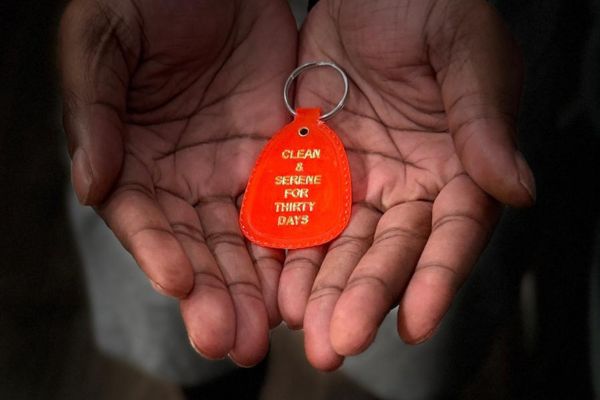
Lasting sobriety can happen when you have skills you can carry into your daily life long after treatment ends.
The right recovery amenities help support long-term success by pairing comfort with real, learnable habits like healthy eating, mindful movement, quality rest, and personalized care that continues to support you after treatment.
How the Right Amenities Support Your Recovery
Amenities are more than perks. They’re tools that help you build a life rooted in sobriety. Each one gives you a chance to practice something new, whether that’s calming your mind or fueling your body.
Comfort matters too. When you feel safe and cared for, your body can relax enough to focus on healing. A soothing space lowers stress so you can focus your energy on recovery.
Your surroundings and your progress are closely linked. A calm, supportive environment helps you stay steady, and small daily wins add up over time.
Nutrition and Wellness for a Healthy Body
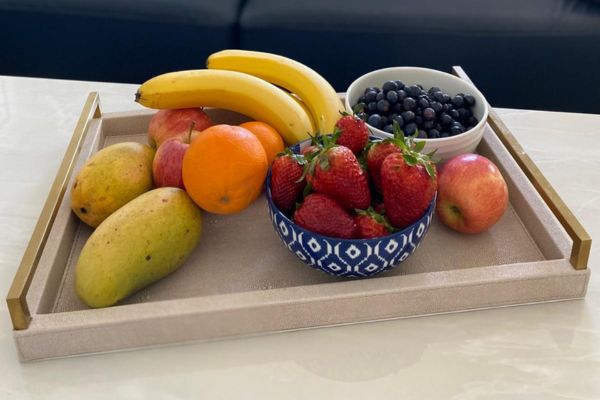
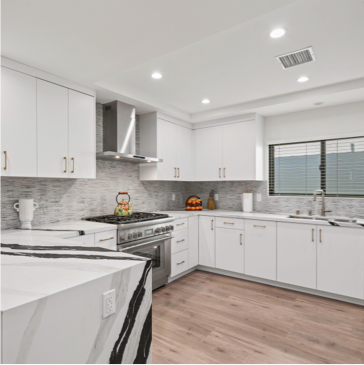
Food plays a big role in how you feel each day. Chef-prepared meals are more than delicious dishes. They show you what balanced eating looks like, so you can recreate those plates at home.
Amino acid therapy can also help support your body during recovery. It works alongside good nutrition to help you feel steadier as you heal. Paired with wholesome meals, it becomes part of a routine that helps care for the whole you.
Routine matters just as much as the food itself. Cleaning up together after a meal builds structure and teamwork. These small habits create a rhythm you can lean on every day.
Habits You Can Take Home
Meal planning doesn’t have to feel overwhelming. Start with a few simple recipes and a short grocery list. When you keep it manageable, you’re more likely to stick with it.
Hydration and daily balance round out the picture. Drinking enough water and spacing out your meals help keep your energy even. These are habits you can practice long after you leave.
Movement and Mindfulness Spaces
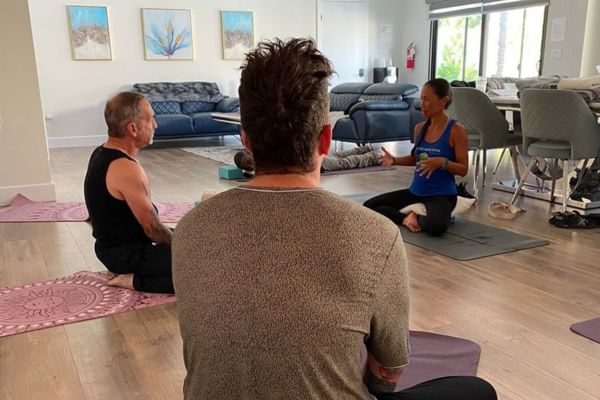
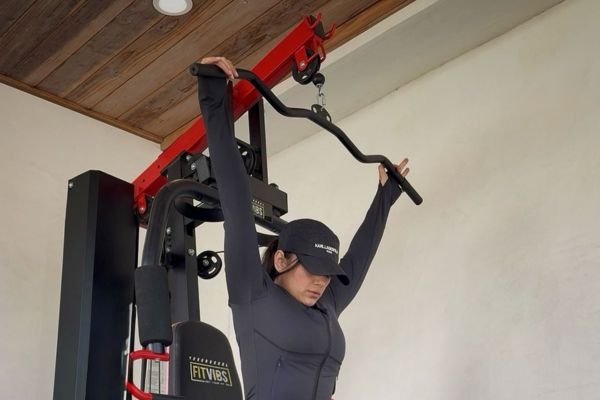
Gentle movement helps your body reconnect with itself. Yoga rooms can give you space to stretch, breathe, and move at your own pace. There’s no pressure here, just room to feel better.
Meditation spaces can offer calm and focus when your thoughts feel busy. Sitting quietly for even a few minutes can help clear your head. Over time, this practice becomes a tool you can use anywhere.
Quiet zones give you a place to reset. When emotions run high, stepping into a calm corner helps you settle. These spaces help remind you that rest is always an option.
Ways to Ease Stress
Breathing practices are simple and free. Try slow breaths in through your nose and out through your mouth. Anyone can learn breathing exercises, and they work in almost any moment.
Meditation alone can sometimes feel impossible for a restless, anxious mind. Tools like BrainTap therapy can help you stay present, making it easier to take a moment for yourself. Focusing on what’s in front of you helps quiet worry and keeps you grounded.

Restful Amenities That Help You Recharge
Sleep is one of the ways your body repairs itself. Comfortable spaces designed for quality rest help you drift off and stay asleep. Waking up refreshed helps make the next day easier to face.
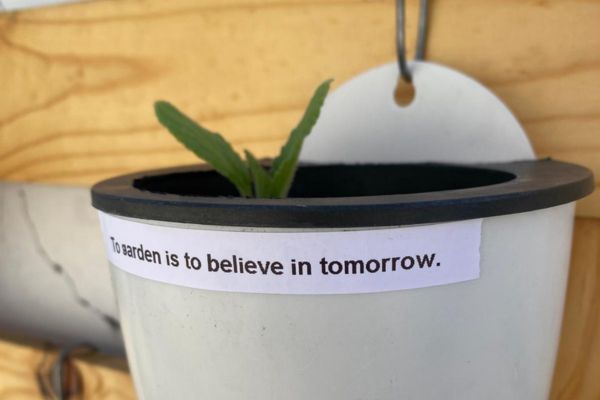
Garden spaces and tranquil relaxation zones give your body another way to unwind. Purposeful activity can help calm your mind. Outdoor spaces can help lower your heart rate and restore focus. These moments of stillness are part of the healing process.
Rest isn’t a luxury during recovery. It’s a real part of getting well. When you give yourself permission to recharge, you have more strength for the work ahead.
Personalized Care and Aftercare Planning
No healing journeys look the same, so your care shouldn’t either. Custom recovery programs are built around your needs, your history, and your goals. A personal approach helps treatment feel like it truly fits you.
Dual diagnosis support cares for your mind alongside addiction. When mental health and addiction are treated together, you can get a fuller kind of healing. Immersive support helps you understand what you’re facing and how to move forward.
Aftercare planning keeps you supported once treatment ends. A clear plan helps you carry your new habits into everyday life. It’s a steady hand as you step back into your routine.
Your Path at Rising Lotus Recovery
Inpatient detox can support long-lasting recovery with a caring team by your side. You’re never alone as your body adjusts. Compassionate support helps you feel safe through every step.
From there, steady guidance can point you toward an addiction-free future. The focus stays on your progress and your potential. Each day builds toward lasting sobriety.
At Rising Lotus Recovery in Los Angeles, help is always within reach. When you’re ready to take the next step, reach out today and start your journey toward a healthier, addiction-free future.