
Recovery isn’t just about breaking a habit. It’s about rebuilding your body, your mind, and your sense of self from the ground up. That kind of healing takes more than willpower alone, and today’s Rising Lotus Recovery programs are leaning into tools that support every part of that process.
Biohacking for addiction recovery combines science-backed technology with traditional inpatient detox and rehab to help your brain and body heal more fully, giving you more support on your path to sobriety.
What Biohacking in Addiction Recovery Actually Means
A Simple Take on Biohacking
Biohacking might sound complicated, but the idea is straightforward. It’s about using research-supported tools to help your body do what it’s already trying to do, which is heal. These tools work alongside your rehab program, not in place of it.
The approaches are non-invasive and accessible, meaning they don’t require anything extreme. Think of them as supportive additions to your recovery toolkit. Many of these biohacking methods can make the process of recovery feel a little more manageable while your body and mind find their footing again.
Why It’s Gaining Attention in Rehab
Addiction affects both your physical health and your mental wellbeing, so recovery needs to address both. Biohacking tools are gaining attention in rehab settings because they can target that mind-body connection directly. They support the brain’s natural ability to reset, which is something that genuinely takes time after substance use.
When you’re going through inpatient detox or working through a personalized treatment plan, having tools that support your mental clarity and emotional balance can make a real difference in how you feel day to day. Learning more about the stages of addiction recovery can also help you set realistic expectations for your journey.
BrainTap & How It Supports Your Recovery
What BrainTap Does
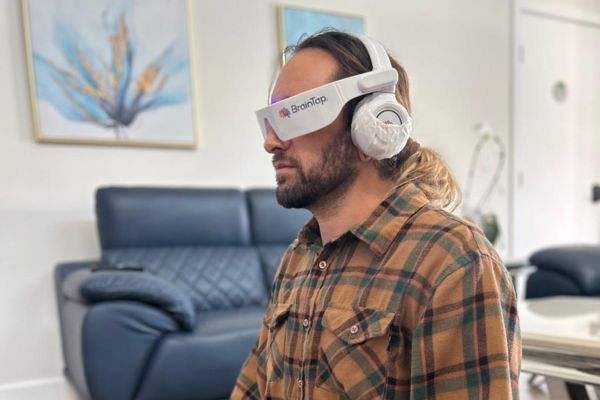
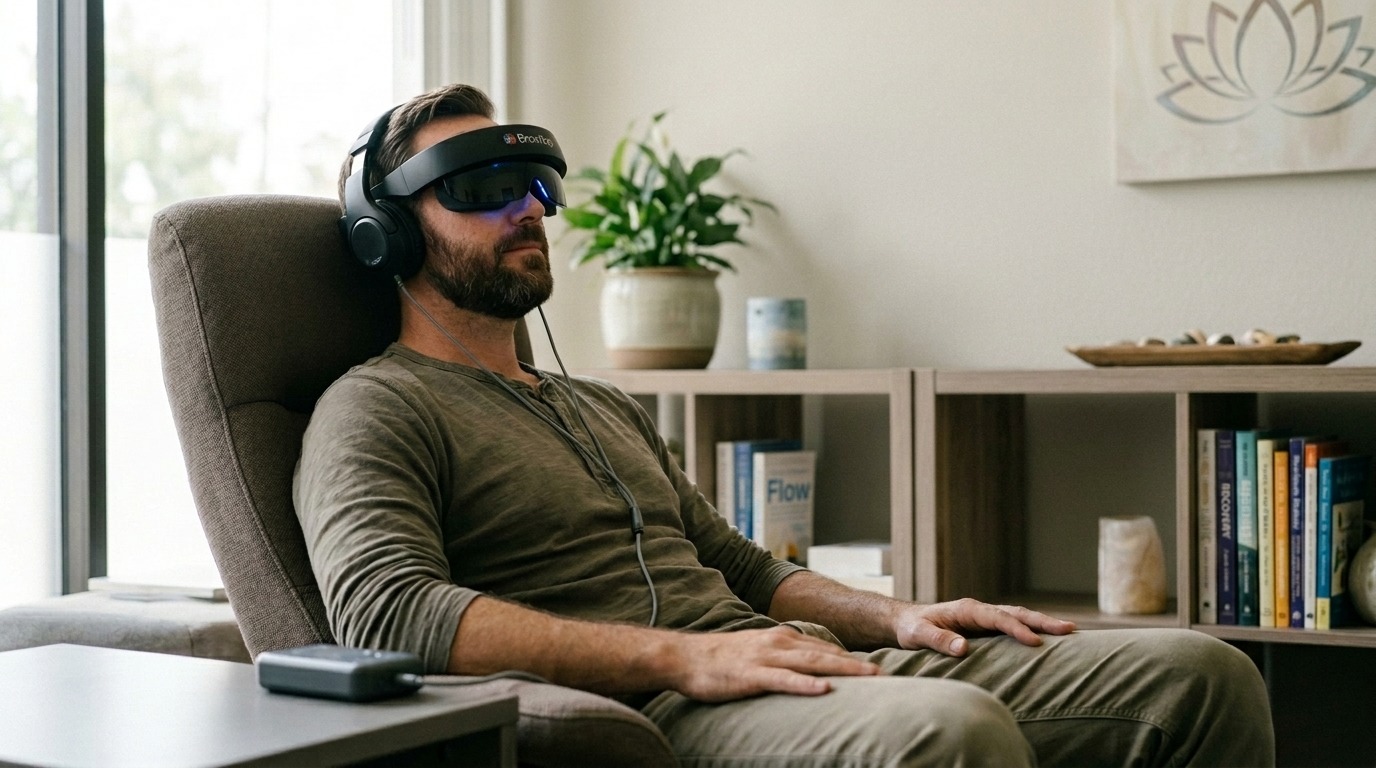
BrainTap is a guided audio and light therapy tool that uses pulsed tones, soothing music, and specific light frequencies to help bring your brain into a more relaxed, focused state. You put on a headset, close your eyes, and let the session guide you through a period of calm. It’s simple, and it doesn’t require any prior experience with meditation or technology.
The combination of light and sound works to reduce stress and gently retrain thought patterns that may have become ingrained during active addiction. Over time, these sessions can help your nervous system shift out of a constant state of tension.
Its Role in Addiction Recovery
During inpatient detox, sleep is often one of the first things to suffer. BrainTap sessions can support deeper, more restorative rest during that time, which helps your body recover faster. Better sleep also means a clearer head, which makes engaging with therapy and other parts of your treatment plan a lot more effective.
BrainTap can also help calm cravings and ease anxiety, two of the most common challenges in early recovery. Because it fits naturally into a personalized residential treatment plan, it doesn’t feel like one more thing to manage. It becomes a tool you can count on, right alongside your counseling sessions and medical support.
Other Tech Tools That Can Support Your Sobriety
Wearables & Wellness Tracking
Wearable devices that track sleep, stress levels, and physical activity can give you a clearer picture of how your body is responding during recovery. When you can see patterns in your data, like noticing that poor sleep tends to follow stressful days, you gain the kind of self-awareness that helps you make better choices.
That awareness doesn’t stop when you leave treatment. Wearables can continue supporting your sobriety long after your program ends by helping you stay tuned into how you’re doing physically and emotionally. Pairing that awareness with strategies for staying committed to sobriety can make a real difference in the long run.
Mindfulness & Meditation Apps
Rehab introduces healthy habits and coping strategies, but the work continues in daily life. Mindfulness and meditation apps can reinforce what you’ve learned in therapy and keep those tools fresh and accessible. Whether it’s a five-minute breathing exercise in the morning or a guided meditation before bed, these apps bring calm within reach anytime you need it.
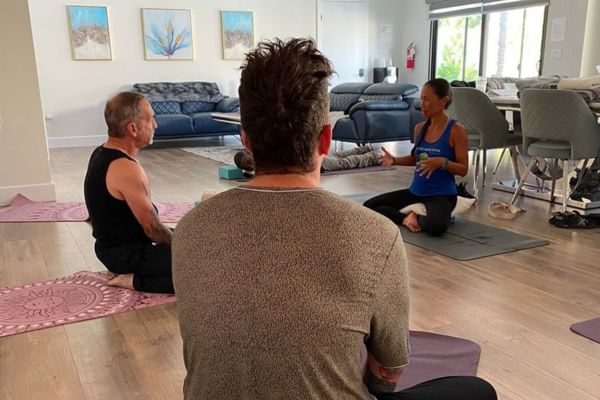
They also help create a consistent daily routine, which is one of the most grounding things you can build during recovery. Routine creates stability, and stability supports lasting sobriety. Combining these habits with holistic activities like yoga and mindfulness as part of your treatment can reinforce that foundation even further.
How a Personalized Program Brings It All Together
Biohacking Combined with Traditional Treatment
Biohacking tools are most effective when they’re part of a complete recovery program. They’re not a standalone solution, but they add real depth to the work you’re already doing in therapy, counseling, and medical care. Inpatient detox lays the foundation for healing, and biohacking tools can help you build on that foundation with greater ease.
Together, these approaches create a recovery experience that addresses your whole self, not just the surface-level symptoms of addiction. Understanding how rehab works from intake through aftercare can help you feel more prepared about what lies ahead.
What a Tailored Recovery Plan Looks Like

A tailored recovery plan takes your specific needs, history, and goals into account. It might include amino acid therapy to help restore the brain chemistry that addiction disrupts, BrainTap sessions for stress and sleep support, mindfulness tools for daily use, and a clear aftercare plan that keeps you supported after treatment.
No two people experience addiction the same way, and no two recovery journeys should look identical. A personalized plan honors that reality and gives you a path forward that’s built around who you are and where you want to go. You can also explore how aftercare programs enhance long-term recovery to see what continued support can look like beyond treatment.
At Rising Lotus Recovery in Hollywood, LA, we walk alongside you on that path. From your initial assessment through aftercare planning, every step is designed to support your addiction-free future. Reach out today to learn how a personalized program can help you move forward with strength and clarity.