

Trauma leaves a mark. For many people, that mark doesn’t fade on its own. Instead, it quietly shapes how you sleep, how you feel, and how you cope with each day.
When the weight of those experiences becomes too heavy, substances can start to feel like relief. But over time, that relief can become its own problem.
Rising Lotus Recovery understands how deeply trauma and addiction can intertwine, and our team is here to help you work through both.
If you’re wondering whether what you’re experiencing goes beyond one struggle, learning more about the link between trauma and addiction can be a helpful starting point.
PTSD and addiction often develop together, each one making the other harder to manage, and real recovery means addressing both at the same time.
How Are PTSD and Addiction Linked?
Trauma can rewire the way your brain responds to stress. When those responses go untreated, everyday life can feel overwhelming.
Substances like alcohol or drugs can seem to quiet the noise, at least for a little while. That temporary relief is often what pulls people deeper into addiction.
PTSD symptoms such as hypervigilance, emotional numbness, and sleep disruption can make it hard to function without something to take the edge off. Over time, the body can start depending on substances just to feel stable.
And as addiction grows stronger, it can actually intensify PTSD symptoms, creating a cycle that’s genuinely difficult to break on your own. Understanding the stages of addiction recovery can help you see where you are in that cycle and what moving forward can look like.
Signs You May Be Facing Both PTSD and Addiction
Common Signs of PTSD Alongside Addiction
It’s not always easy to recognize when 2 struggles are happening at once. PTSD can hide behind behaviors that look like something else entirely. Some signs that both may be present include:
- Flashbacks, nightmares, or feeling emotionally shut down
- Reaching for substances when traumatic memories surface
- Pulling away from close relationships or daily routines
These patterns don’t reflect weakness. They reflect a nervous system that learned to survive under pressure.
Recognizing these signs can be an impactful step toward getting support. If you’re unsure whether these signs point to addiction, reviewing how addiction takes hold can offer some helpful clarity.
Why Dual Diagnosis Treatment Matters
When addiction is treated without addressing the trauma underneath it, recovery can feel incomplete.
You might achieve sobriety for a stretch, only to find the emotional pain still waiting for you. That’s why dual diagnosis treatment, which treats PTSD and addiction together, can make such a difference.
Personalized care digs into the root of each struggle rather than just the surface symptoms. Instead of a one-size approach, a tailored program can meet you where you are and move at a pace that supports real, lasting healing.
Treating both conditions side by side can give your recovery a much stronger foundation. You can learn more about how this kind of personalized support works by exploring what rehab looks like from assessment through aftercare.
What Does Addiction Recovery Look Like with Dual Diagnosis Support?
Inpatient Detox and Trauma-Informed Care
Inpatient detox can provide a safe, structured environment where your body can begin to heal without outside stressors pulling at you.
Having round-the-clock support during this stage can make a real difference, especially when withdrawal and emotional triggers show up at the same time.
You’re not navigating it alone. Our inpatient detox program is designed to keep you supported and stable throughout that process.
Trauma-informed care goes a step further by recognizing how past experiences shape your reactions and emotions. Rather than pushing past those reactions, this approach works with them.
It helps you process emotional triggers in a way that feels manageable, building the kind of inner stability that supports sobriety long-term.
Amino Acid Therapy and Holistic Healing
Amino acid therapy is a holistic approach that supports the brain’s natural chemistry during rehab.
Addiction can deplete certain nutrients your brain relies on to regulate mood and reduce cravings. Replenishing those through targeted therapy can help your mind and body feel more balanced as you recover.
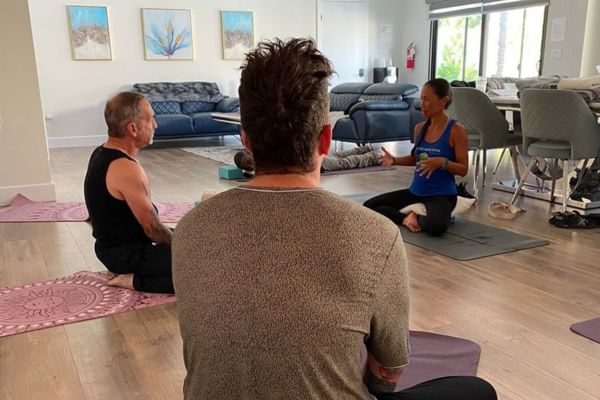
Alongside amino acid therapy, holistic tools like mindfulness, movement, and nutrition work together to rebuild emotional stability from the inside out.
These aren’t just add-ons. They’re part of a whole-person approach to healing that supports both your mental health and your sobriety in a lasting way.

Taking the First Step Toward an Addiction-Free Future
Recovery from PTSD and addiction is absolutely possible. It takes courage to acknowledge what you’re carrying, and even more to reach out for support.
People do recover, and a meaningful, addiction-free future is within reach for you. Learning about how to stay committed to sobriety can help you feel more prepared as you take that first step.
Personalized rehab programs are built around your specific needs, not a generic checklist. Whether you’re just beginning to consider rehab or you’ve tried before and need a different approach, support is available at every stage of the process.
You don’t have to have everything figured out before you take that first step. Exploring how aftercare programs support long-term recovery can also show you what ongoing support looks like beyond initial treatment.
Take the First Step Today: Get Dual Diagnosis Support
Rising Lotus Recovery in North Hollywood, LA, is here to walk alongside you through every phase of healing. From your initial assessment to aftercare planning, our team offers compassionate, judgment-free support designed to help you move toward the life you deserve.
Contact us today to learn more about personalized programs and taking that first step forward.