

Overview:
- Long-term alcohol use takes a severe, visible toll on your appearance—triggering chronic dehydration, broken capillaries, collagen breakdown, and systemic puffiness that creates a look of constant exhaustion.
- Chronic consumption suppresses antidiuretic hormones like vasopressin, spikes cortisol production, depletes essential nutrients like Vitamin A, and overworks hepatocytes in the liver, fundamentally altering skin cellular health and elasticity.
- Stepping away from alcohol triggers a powerful internal and external reset, allowing fluid balance to normalize, liver function to recover, and natural skin vitality to return over a predictable healing timeline.
- Lasting transformation goes far beyond physical changes, requiring an evidence-based clinical approach and a supportive environment to rebuild your foundation from the inside out.
When you spend years looking in the mirror while trapped in heavy drinking, you start to tune out your own reflection. I used to rationalize every single change. I’d notice the persistent puffiness in the morning, the dullness in my skin, or the broken capillaries creeping around my nose, and I’d just write it off as bad sleep, stress, or just getting older.
It wasn’t until I stumbled across some old photographs that reality really hit me. The exhausted, worn-out look staring back at me wasn’t just a byproduct of aging. It was the visible signature of my relationship with alcohol. My worst fears had come true.
The faces of alcohol now included my own reflection. But you don’t have to add your face to the collection. Here’s what I learned from living it, what happened beneath the surface, and how my body finally began to heal the moment I decided to change.
What Is Alcohol Face?
In order to recover and become the person I wanted to be, I had to look past the surface and understand what people really mean when they talk about the physical faces of alcohol. While it isn’t a formal medical diagnosis, clinicians and those in recovery use it as a shorthand for the distinct, physical changes that chronic alcohol consumption leaves on a person’s features.
When alcohol was a daily fixture in my life, it was quietly wrecking my body from the inside out in ways that I could never have imagined.
- Severe Dehydration and ADH Suppression: Alcohol acts as a powerful diuretic by suppressing antidiuretic hormone (ADH/vasopressin). This stripped my skin of its natural moisture barrier, leaving behind deep fine lines, dry patches, and a total lack of elasticity. This problem was worsened because I lived in the dry climate of Southern California.
- Inflammation, Flushing, and Capillary Damage: Alcohol causes peripheral blood vessels to dilate. Over time, that constant vascular strain leads to capillary damage and permanent redness (also known as telangiectasia), especially around the cheeks and nose. I even tried covering it up with makeup, but it didn’t matter.
- Systemic Puffiness and Water Retention: Because alcohol places immense stress on the liver and kidneys, my body constantly struggled to regulate fluid balance and electrolytes. I was dealing with chronic water retention, swollen under-eye bags, and a bloated facial structure that made me look sick even when I felt okay.
It creates a look of constant, bone-deep exhaustion, no matter how many hours of sleep I failed to get. It’s the physical manifestation of a body working overtime just to process toxins.
Does Alcohol Change Your Face?
As I stated before, the transformation happens so gradually that you trick yourself into thinking no one else notices. My old camera roll and bathroom mirror did notice.
I later learned from medical professionals that this isn’t just bad luck. Alcohol-induced skin aging fundamentally alters your skin’s cellular health in two critical ways:
- It depletes essential vitamins like Vitamin A and zinc, which are crucial for skin cell regeneration, immune function, and repair. Without them, my skin lost its natural glow and took on a dull, gray, lifeless tint.
- As the liver breaks down ethanol, it produces a toxic byproduct called acetaldehyde, which degrades cellular structures. Combined with elevated cortisol production from chronic systemic stress, alcohol wreaks total havoc on collagen. As my collagen stores broke down, my skin began to sag prematurely, losing its volume and elasticity.
The Reality Of Faces Of Alcoholics Before And After
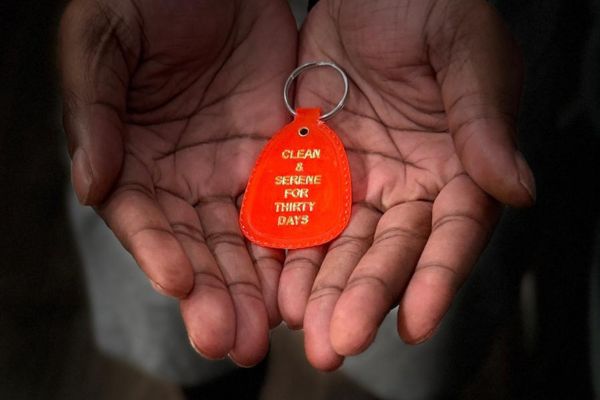
One of the most jarring, emotional things about stepping away from the bottle was seeing the photographic evidence of my active addiction compared to my life in recovery. I started searching for proof that recovery is actually worth it (Link to “7 Best Addiction Recovery Quotes and Sayings For Inspiration” Article), proof that the damage isn’t permanent and that biological healing is possible.
The contrast between then and now is staggering because sobriety triggers a powerful internal and external reset recognized widely in addiction medicine:
Estimated Biological Healing Timeline
- 7 Days: Acute facial edema and water retention begin to subside as hydration and electrolyte balance normalize.
- 30 Days: The skin moisture barrier repairs itself, and the dull gray cast begins to clear as liver cells (hepatocytes) experience reduced toxic strain.
- 6 Months and Beyond: Chronic inflammation recedes, allowing persistent facial redness to significantly fade alongside restored skin elasticity.
Beyond the physical milestones, perhaps the most profound change in a recovery “after” photo is actually the light my the eyes. Active addiction carries a crushing psychological weight that pulls your features into a constant state of stress and hypervigilance. Once that burden lifts, your face actually relaxes, the tension melts away, and genuine life comes back.
The physical turnaround is a remarkable, living reminder of the human body’s incredible capacity for self-repair.
Rebuilding From The Inside Out
Getting sober didn’t magically erase every challenge I’ve ever faced, but watching my body heal has been one of the most rewarding parts of my journey. When you stop poisoning your system, you give your skin, your organs, and your spirit the chance to catch up to the life you actually want to live. So how did I do it?
If you’re looking at your own reflection right now, seeing the toll that drinking has taken, and wondering how to change your story, taking that first step can feel overwhelming. Lasting transformation doesn’t happen overnight, but it follows a clear, manageable path when you have the right team behind you:
- Reach Out and Talk to Someone: Admitting you need a change is the hardest part. A confidential conversation with an admissions specialist can help clear away the confusion and answer your questions about what treatment looks like.
- Medical Detoxification: Safely clearing alcohol from your system under professional clinical care ensures you manage withdrawal symptoms comfortably and securely.
- Comprehensive Treatment and Support: True healing goes far beyond physical changes. Engaging in evidence-based therapy and building a supportive community gives you the tools to rebuild your life from the inside out.
At Rising Lotus Recovery, we combine clinical expertise with deep empathetic support to ensure that true healing goes far deeper than skin deep. Overcoming substance use requires a supportive environment, an evidence-based clinical approach, and a compassionate team that has your back through every stage of withdrawal and stabilization. If you’re ready to start your own transformation, our doors are open. Call us at (424) 622-1082.
Frequently Asked Questions About The Faces Of Alcohol
What Causes The Physical Changes Often Referred To As “Alcohol Face”?
Chronic alcohol consumption impacts the body by acting as a strong diuretic that suppresses antidiuretic hormone (ADH/vasopressin), leading to severe dehydration and a lack of elasticity. It also causes peripheral blood vessels to dilate, resulting in permanent capillary damage and redness, while increasing cortisol production and producing toxic byproducts like acetaldehyde that break down collagen and skin cellular health.
Why Is It So Easy To Rationalize Or Ignore The Physical Changes Caused By Alcohol?
Because the transformation happens gradually over time, it’s easy to dismiss early signs (morning puffiness, dull skin, or broken capillaries) as a lack of sleep, stress, or normal aging. Active addiction often builds psychological defenses that help tune out your reflection until a stark comparison, like looking at old photographs, forces a reality check.
How Long Does It Take For Facial Puffiness And Redness To Improve After Quitting Alcohol?
Biological healing follows a predictable timeline once drinking stops. Acute facial edema and water retention typically begin to subside within the first 7 days as hydration and electrolytes normalize. Over 30 days, liver strain decreases and moisture barriers repair, while chronic inflammation and persistent redness significantly fade around 6 months and beyond.