Overview:
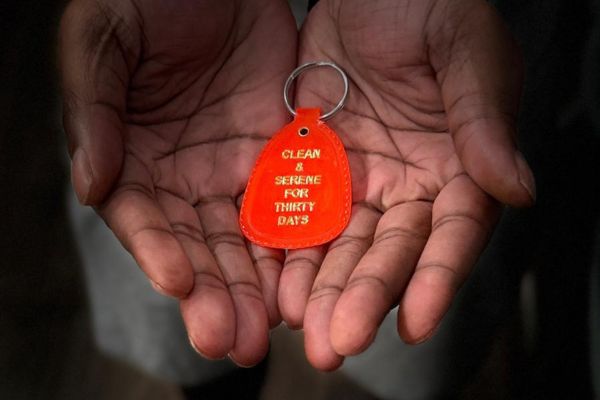
- Sober November gives people in early recovery a clear, structured framework to safeguard their sobriety as the holiday season begins.
- Taking on a Sober November Challenge allows your central nervous system to heal, restoring deep REM sleep, stabilizing mood, and reducing baseline holiday stress.
- Navigating your first Sober Thanksgiving requires actionable preparation: keeping a zero-proof drink in hand, setting firm boundaries, and holding a guaranteed exit plan.
Are you facing your first Sober November? When you’re new to recovery, this can feel daunting. As the autumn leaves change, the shift into the holiday season brings family gatherings, social events, and festive celebrations that heavily revolve around alcohol. For a newcomer, taking on a Sober November is far more than a monthly wellness trend. It’s a vital, empowering step toward building a lifetime of lasting recovery.
Navigating a no alcohol November as a newcomer requires a clear, step-by-step game plan. By establishing strong boundaries, preparing for social triggers, and leaning into clinical support, you can protect your peace, stay sober for November, and experience a truly happy Sober Thanksgiving.
Here is your comprehensive, step-by-step guide to staying grounded, confident, and sober throughout your first holiday season in recovery.
Step 1: Protect Your Recovery Baseline First
Early in your sobriety, your top priority every single day is protecting your recovery foundation. Before holiday invitations start arriving, establish daily routines that keep your physical and emotional baseline stable:
- Maintain your recovery support network: Attend your local recovery meetings, call your sponsor daily, and stay in close contact with sober peers who understand the unique pressures of the holiday season.
- Keep your daily routine structured: Recovery thrives on consistency. Prioritize balanced nutrition, regular sleep cycles, and daily stress-reduction practices to keep baseline anxiety low.
- Watch for HALT triggers: Be extra vigilant about becoming Hungry, Angry, Lonely, or Tired. These physical and emotional states act as major catalysts for alcohol cravings, especially during high-stress family events.
Step 2: Prepare A Strategy For Your First Sober Thanksgiving
Attending family dinners or holiday parties in early recovery can bring up old drinking patterns or emotional stress. Following concrete, practical steps helps protect your sobriety during your first Sober Thanksgiving:
Always Keep A Zero-Proof Beverage In Hand
Arrive at gatherings with your own non-alcoholic drinks—such as sparkling water with fresh fruit, festive mocktails, or zero-proof ciders. Holding a glass in your hand prevents guests from constantly offering you alcohol and eliminates uncomfortable social interactions.
Rehearse Your Boundaries And Responses
As someone in recovery, you don’t owe anyone a detailed explanation of your medical history or personal choices. Prepare quick, confident responses ahead of time:
- “I’m focusing on my physical health and staying sober for November.”
- “I’m taking a Sober November challenge to improve my sleep and daily energy.”
- “I’m sticking to zero-proof drinks tonight, but thank you for offering!”
Drive Yourself And Have An Exit Strategy
Never rely on someone else for transportation to holiday events. Drive your own vehicle so you maintain complete control over when you arrive and leave. If family dynamics spark tension or the environment turns into heavy drinking, give your host a polite thank you and head home early. Leaving an event to protect your sobriety is a sign of clinical self-awareness and strength.
Step 3: Create New Sobriety-Centered Holiday Traditions
In early recovery, replacing old holiday drinking habits with engaging, alcohol-free activities helps reshape how you view the season:
- Start Thanksgiving morning with movement: Participate in a local community turkey trot, take an autumn morning walk, or attend an early recovery meeting before family gatherings begin.
- Engage in helpful tasks: Stay active during events by helping out in the kitchen, carving the turkey, managing the dessert table, or playing with younger relatives.
- Bring recovery-friendly entertainment: Pack your favorite board games, start a card game, or host a holiday movie viewing after dinner to keep the atmosphere fun, interactive, and alcohol-free.
Step 4: Practice Gratitude for Your Sobriety Journey
Thanksgiving is centered on reflection and giving thanks, making it the perfect opportunity to reframe your perspective on recovery. Instead of focusing on what you might feel you’re “missing out on” by not drinking, take time to actively celebrate how far you have come.
- Keep a sobriety gratitude list: Write down specific ways your life has improved since choosing recovery—such as clearer thinking, restored physical health, or repaired relationships.
- Reframe your holiday mindset: Remind yourself that being sober allows you to be fully present, awake, and clear-headed for the moments that truly matter with the people you care about.
Step 5: Recognize The Health Benefits Of Sober November
Monitoring the physical and mental rewards of staying sober for November reinforces your commitment and highlights how rapidly your body is healing:
- Restorative REM Sleep: Alcohol disrupts natural sleep cycles. Quitting alcohol allows your brain to achieve deep, restorative REM sleep, leaving you energized and free of hangovers.
- Emotional Regulation and Lower Anxiety: Alcohol acts as a central nervous system depressant that worsens mood swings. Cutting it out stabilizes emotional health and lowers baseline holiday stress.
- Strengthened Immune Defense: Stopping alcohol consumption repairs your body’s immune system right at the start of cold and flu season.
Step 6: Know When To Seek Higher Clinical Support
Early recovery is a learning process, and it’s completely normal to face emotional waves or sudden cravings during the holidays. However, if Sober November feels overwhelming, or if you find yourself constantly struggling with thoughts of drinking, your recovery may require more clinical structure.
If stopping alcohol triggers physical symptoms such as tremors, heavy sweating, rapid heart rate, severe nausea, or intense panic, your body may be experiencing physical alcohol withdrawal. Attempting to manage severe alcohol withdrawal without medical supervision can be dangerous. Seeking professional care is not a setback. Taking active control of your health and safety is the foundation on which your sobriety can survive.
Rising Lotus Recovery Can Help With Sober November
Whether you’re navigating your first Sober Thanksgiving or realizing you need extra structure to maintain long-term recovery, you don’t have to walk this path alone.
At Rising Lotus Recovery, our expert clinical team provides comprehensive outpatient addiction treatment tailored to your individual needs Giving yourself the gift of lasting sobriety is the single most meaningful choice you can make this holiday season. Contact our admissions team at Rising Lotus Recovery today at (424) 622-0981 to learn more about our programs and take the next step toward lasting health.
Frequently Asked Questions About Sober November
How Do I Handle Peer Pressure During Sober November?
Keep your response brief, calm, and firm. State that you are taking time during Sober November to prioritize your personal health, wellness, and mental clarity. Most people will respect your answer immediately. If someone continues to push, politely excuse yourself and step away from the conversation.
What Are The Physical Signs Of Alcohol Withdrawal During No Alcohol November?
Physical signs of alcohol withdrawal include severe hand tremors, profuse sweating, nausea, vomiting, rapid heart rate, heightened anxiety, and insomnia. If you experience these symptoms after stopping alcohol, seek professional medical detox support immediately to ensure your safety.
Is It Safe To Attend Holiday Parties During My First Sober Thanksgiving?
Only if you feel secure in your recovery foundation and have a clear safety plan. Bring your own zero-proof drinks, maintain a reliable exit strategy, stay connected with a sober support contact, and empower yourself to skip events if they pose a threat to your sobriety.